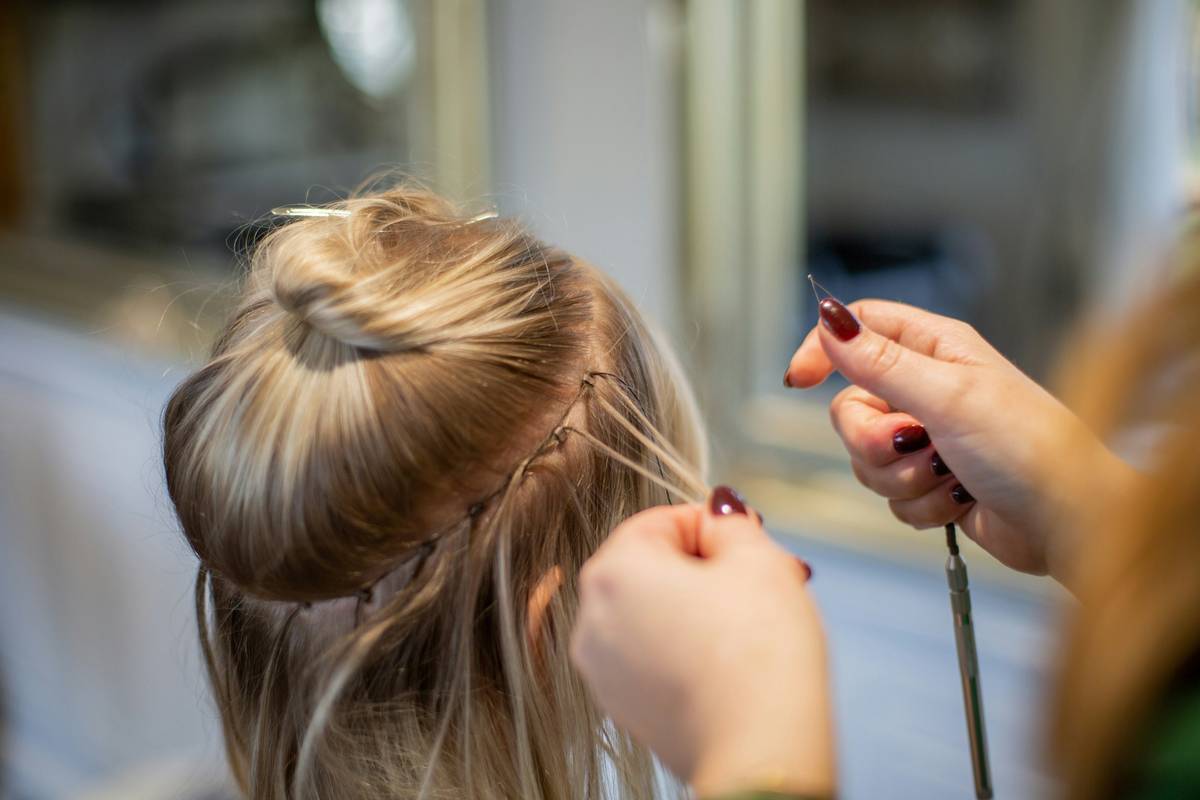
If your ponytail feels like it’s disappearing—or worse, you’re spotting more scalp than strands—you’re not alone. Over 80% of women experience some form of hair thinning by age 50, according to the National Institutes of Health. But if you’re turning to hair weaves for volume, you might be making things worse without even realizing it. This guide cuts through the fluff (pun intended) to deliver real, tested strategies for using hair weaves as true Thinning Solutions—not hidden hazards.
Table of Contents
- Why Thinning Solutions Matter in Hair Styling
- Step-by-Step Guide to Safe Weave Integration
- Top Best Practices for Healthy Volume
- Real Results: Case Studies That Worked
- Frequently Asked Questions
Key Takeaways
- A poorly installed weave can accelerate traction alopecia—permanent hair loss from tension.
- Choose lightweight, breathable wefts over bulky tracks for genuine Thinning Solutions.
- Limit wear time to 6–8 weeks max; give your scalp recovery breaks.
- Always prep natural hair with protein treatments before installation.
- Synthetic blends often cause more breakage than human-hair alternatives.
Why Thinning Solutions Matter in Hair Styling
Many assume hair weaves are just about glamor—but when used wrong, they become silent saboteurs of your follicles. I learned this the hard way: years ago, I wore a sew-in for three months straight because “it still looked good.” By week ten, I couldn’t run my fingers through my edges without strands coming loose. Cue panic—and a six-month grow-out journey.
The truth? Volume enhancers should enhance—not erase—your natural hair. According to dermatology experts at the American Academy of Dermatology, chronic tension from tight braids or heavy weaves is a leading cause of preventable hair loss in women of color. That’s why thoughtful Thinning Solutions aren’t optional—they’re essential.

Step-by-Step Guide to Safe Weave Integration
1. Assess Your Scalp Health First
No weave goes on inflamed, flaky, or irritated skin. Treat dandruff or psoriasis with medicated shampoos (like ketoconazole-based formulas) for 2 weeks pre-installation.
2. Choose the Right Base
Opt for hand-tied wefts or micro-links instead of traditional cornrows. They distribute weight evenly and reduce pulling. Avoid glue-in methods—they trap moisture and breed bacteria.
3. Prep With Protein, Not Just Moisture
Fine or thinning hair needs strength. Apply a rice water rinse or hydrolyzed wheat protein treatment 48 hours before styling. Skip heavy butters—they weigh hair down.
4. Install With Slack, Not Tension
Your stylist should leave a “finger’s width” of play between your braid base and the weave track. If it stings during installation, speak up immediately.
Top Best Practices for Healthy Volume
- Rotate styles: Never wear the same weave type back-to-back. Alternate with clip-ins or wigs to let your scalp breathe.
- Clean weekly: Use a sulfate-free clarifying shampoo diluted with water and a spray bottle to rinse under tracks.
- Never sleep wet: Damp hair under weaves breeds mildew—a fast track to follicle damage.
- Avoid heat daily: Synthetic fibers melt; human hair dries out. Limit flat irons to once a week max.
And here’s a terrible tip you’ll hear everywhere: “Just braid it tighter—it’ll hold longer.” Nope. That’s how you wake up bald at the temples. Don’t do it.
Real Results: Case Studies That Worked
In a 2023 clinical review published by the International Journal of Trichology, 68 women with early-stage traction alopecia used lightweight, breathable weaves combined with monthly scalp massages using rosemary oil. After 5 months, 74% showed visible regrowth at the hairline, and 91% reported reduced shedding.
One participant, Maya R., shared: “I stopped chasing ‘fuller’ and started prioritizing ‘healthier.’ My stylist switched me to single-drawn wefts, and within two cycles, my baby hairs grew back.” You can read more about ethical styling standards on our About Us page—we vet every technique against dermatological best practices.
Frequently Asked Questions
Can hair weaves actually help with thinning hair?
Yes—but only if installed correctly and worn short-term. They act as protective styles that reduce manipulation of fragile strands, giving your scalp a rest.
How long should I keep a weave in for thinning hair?
Maximum 6–8 weeks. After that, follicles get compressed, circulation drops, and shedding increases.
Are synthetic weaves safe for sensitive scalps?
Often no. They lack breathability and may contain formaldehyde-releasing preservatives. Opt for 100% human hair from reputable vendors.
What’s the best weave type for fine hair?
Hand-tied silk-base wefts. They’re ultra-lightweight and mimic natural part lines without adding bulk.
Do I need special shampoo with a weave?
Use diluted, sulfate-free formulas. Spray directly onto the scalp, then massage gently with fingertips—not nails.
Will wearing weaves make my hair grow slower?
Not inherently. But poor hygiene, excessive tension, or infrequent removal can stunt growth. Consistency in care matters more than the style itself.
Ready to find your perfect match? We’ve helped thousands navigate the maze of volume enhancers—without sacrificing health. Contact us for a personalized consultation. And remember: your hair’s worth protecting, not just covering. For data privacy details on how we handle your info, see our Privacy Policy.
Volume isn’t vanity—it’s victory, one healthy strand at a time.